Own Your Orders: The Restaurant Marketing System That Reduces Third-Party Dependence

40% of restaurant brands see first-party online ordering as their biggest growth driver this year [2] [31]. Yet most operators still hand over 20-30% commission to delivery apps while losing access to their own customer data.
The numbers tell a clear story. 40% of diners now want to order directly through your website or app [1]. Repeat guests spend 67% more than first-timers [1]. Restaurants switching from third-party to direct ordering see up to 30% increases in takeout profit [2].
That shift is profit.
Qu's 2025 State of Digital Report surveyed 170 enterprise brands across 85,000 U.S. locations and found restaurants prioritizing first-party data collection and unified technology solutions [3] [4]. The message is unmistakable: operators who control their digital storefront control their future.
Many operators build this system manually using separate tools for websites, ordering, email, and reporting. Platforms like the Chowly Platform consolidate these pieces into one system, which can reduce tool stacking and speed up launch.
Your guests are ready to order direct. Your margins depend on it.
Restaurant Marketing System Blueprint
• Direct ordering foundation (site/app built with a restaurant marketing website builder + menu + payments) [32]
• Data capture (POS + ordering + loyalty)
• Lifecycle messaging (email/SMS segments + triggers)
• Trust layer (reviews + issue resolution + transparency)
• Measurement (repeat rate, AOV, CAC, channel mix)
Where the Chowly Platform Fits
The Chowly Platform helps independent restaurant operators launch this entire system without stitching together separate vendors.
Instead of managing:
• one tool for ordering
• another for your website
• another for loyalty
• another for reporting
Operators manage everything in one place.
Restaurants using the Chowly Platform have reported:
• +53% growth in first-party sales
• $64,351 saved annually in marketplace commissions
• +11% increase in average order value
• 8–10+ hours saved per week on manual reconciliation
For teams short on time, a unified platform is often the fastest path to building a profitable first-party engine.
See how this plays out in practice in the Two Eggs! case study, where the team increased first-party sales by 53% while cutting marketplace fees [33].
Why Owning the Guest Relationship Matters
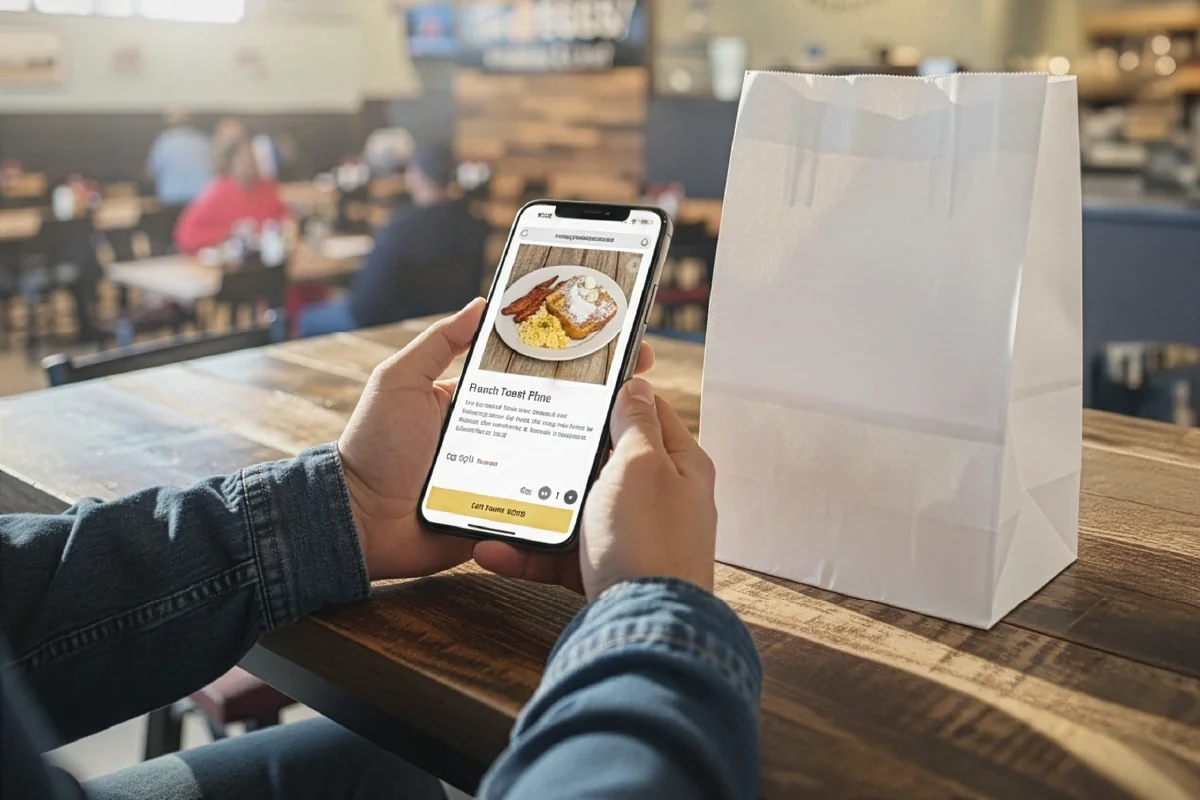
Every third-party order represents a missed opportunity to build a direct customer relationship. Beyond those hefty commissions, often 20-30%, delivery platforms create an invisible barrier between you and your guests that affects long-term revenue growth.
Here's what's really happening behind the scenes.
| Factor | First-Party (Direct Website/App) | Third-Party Marketplaces | |
| Data ownership | Full guest data (email, phone, order history) | Platform controls customer data | |
| Customer reach | Your owned audience + organic + paid traffic | Platform audience only | |
| Profit per order | Higher margins, no 20–30% commission | Reduced margins due to commissions and fees | |
| Pricing control | Set your own prices and promotions | Limited control, often price markups or fees | |
| Branding | Your logo, menu, and experience | Platform branding dominates | |
| Issue resolution | Direct communication with guest | Platform mediates disputes and refunds | |
| Retention tools | Email, SMS, loyalty, offers, remarketing | Limited or no direct remarketing | |
| Long-term value | Builds lifetime customer relationships | Transactional, low brand recall | |
Operator takeaway: Direct channels increase control, margin, and repeat visits. Marketplaces provide exposure but limited ownership.
Third-party apps keep the data and the loyalty
Third-party platforms capture crucial customer information with each order: contact details, ordering preferences, favorite menu items. This data has tremendous marketing value [5]. They use your customers' information to promote their services through email marketing and social media [5].
The result? Your restaurant becomes just another option in a crowded marketplace.
43% of customers can't even recall the restaurant name after ordering through delivery apps [6]. Instead of building brand recognition, you're paying these platforms to build their customer relationships.
Consider this reality: the top 5% of restaurant customers drive 28% of total sales [5]. Limited customer data prevents segmentation and repeat-visit marketing for your highest-value guests.
Direct ordering builds long-term value
Owning your guest data changes everything. First-party ordering gives you visibility into who your customers are, how often they order, what they prefer, and when they're likely to return [7]. This information enables smarter decisions around menu design, pricing, promotions, and staffing.
Direct ordering systems automatically collect customer purchase history, spending patterns, and ordering frequency [8]. This data powers personalized marketing that influences the buyer's journey and helps turn first-time visitors into regulars.
The financial impact speaks volumes. Restaurants typically see 35-50% higher customer lifetime value from direct ordering compared to third-party platform customers [6]. Owning customer data increases lifetime value by 67% through direct marketing and loyalty programs [6].
That's not just revenue, that's sustainable growth.
Guests prefer direct when given the choice
Despite what third-party apps suggest, customers actually prefer ordering directly from restaurants. Research shows that 64% of delivery customers prefer to order directly from restaurants [8]. 70% of consumers would rather order direct specifically to support the restaurant [9].
The reason? Customers understand the cost difference. Third-party orders include an average 68.6% markup due to higher pricing and fees [10]. One study found that 58% of people prefer to order directly from restaurants and spend 35% more when they do [10].
This presents a clear opportunity: build a direct ordering channel that puts your restaurant's brand first, increasing customer loyalty while giving guests peace of mind knowing they're directly supporting your business [9].
Your customers want to support you directly. Direct channels need a frictionless ordering path, clear delivery expectations, and consistent follow-up.
How to Build Trust Through First-Party Channels
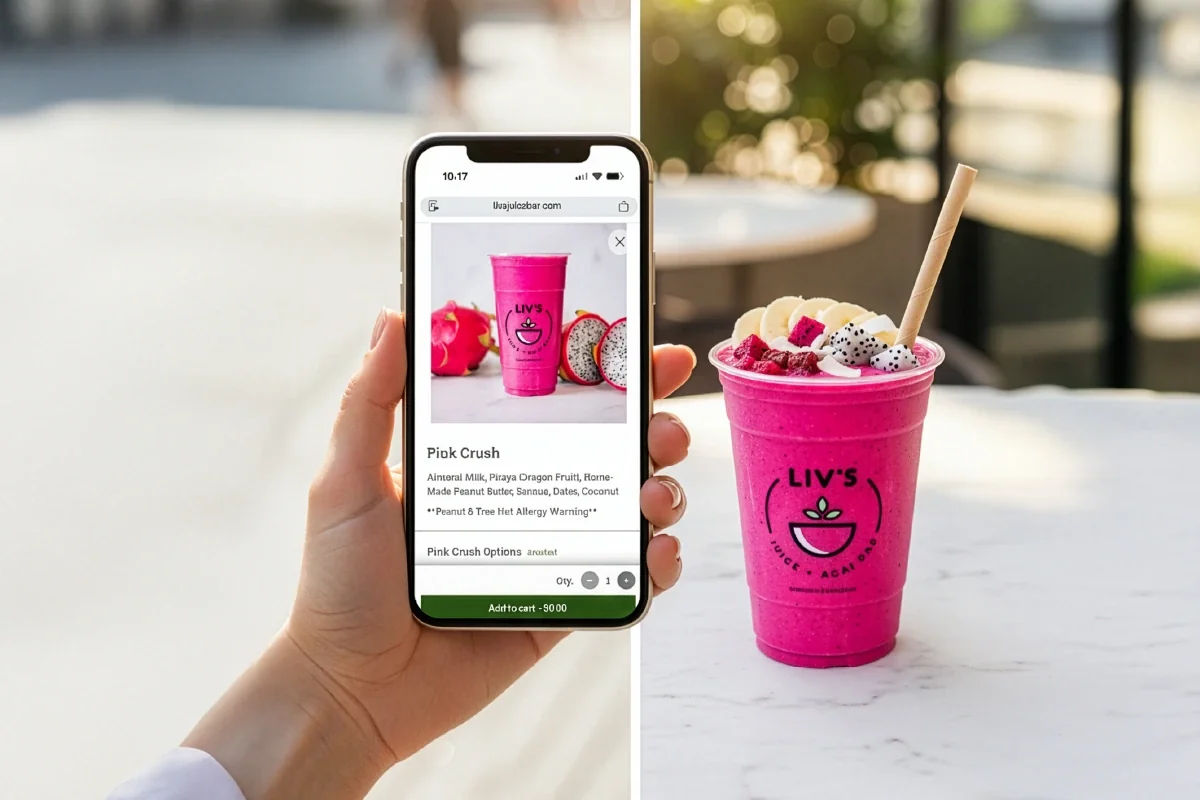
First-party channels put you back in the driver's seat.
With 90% of consumers having experienced delivery issues [11], your ability to control every touchpoint becomes a competitive advantage. When orders go wrong through third-party apps, 52% of customers blame your restaurant, not the platform [1]. That's why taking control matters.
Show your real menu and pricing
Third-party platforms mark up your prices by an average 68.6% price increase [1] through fees and inflated menu costs. Your direct channels showcase actual pricing, no surprises, no hidden charges.
This transparency drives completion rates. Guests who see upfront pricing are more likely to finish their orders and return. Compare that to the abandoned carts and frustrated customers who discover extra charges at checkout on delivery apps.
Your menu appears exactly as intended. Real-time availability, accurate modifiers, current prices. No outdated items that create disappointment when guests can't order their favorite dish.
Control delivery quality and accuracy
Order accuracy becomes your responsibility, and your opportunity.
90% of consumers have received incorrect orders [12]. The difference? When you control the process, you control the outcome.
Here's how successful operators improve accuracy through direct channels:
Step one: Menu consistency. Keep online menus updated in real-time to prevent confusion and disappointment.
Step two: Verification systems. Use printed receipts as checklists before sealing orders. This simple step catches errors before they leave your kitchen.
Step three: Clear labeling. Implement systems for multiple-bag orders that eliminate guesswork for both staff and customers.
Step four: POS integration. Connect your ordering platform directly to your POS system, no manual re-entry, no transcription errors.
These steps don't just prevent mistakes. They build confidence that leads to positive reviews and repeat orders.
Use guest reviews and social proof effectively
94% of diners choose restaurants based on online reviews [13]. Your first-party channels give you the platform to showcase what matters.
Display testimonials that highlight your strengths, food quality, service consistency, delivery reliability [14]. Create a complete picture of why guests choose you over competitors.
Respond to every review, positive and negative. Public responses show commitment to guest satisfaction [15]. When issues come up repeatedly in reviews, fix them and communicate the improvements. This responsiveness builds trust with future customers who see you care about getting things right.
Your direct channels become the foundation for lasting customer relationships built on transparency, quality, and responsiveness.
Using Data Responsibly to Drive Loyalty
Guest data is the foundation of repeat business.
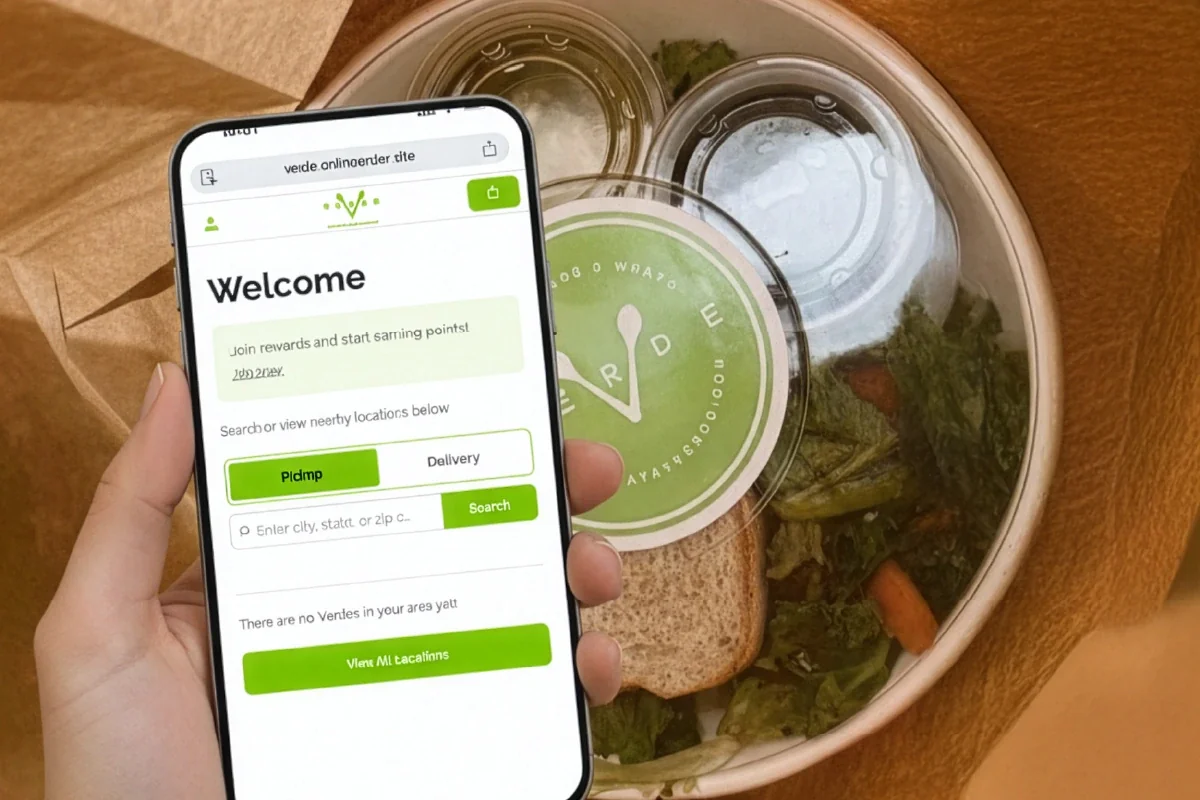
78% of customers are more likely to visit restaurants where they can earn points, even if it's less convenient [16]. That preference creates a clear opportunity: build a loyalty system that turns occasional visitors into regulars while respecting their privacy.
The restaurants winning this game understand that data collection serves one purpose, creating better experiences that drive more visits.
What first-party data you should collect
The most valuable customer information falls into four categories that directly impact your operations [17]:
Purchase behavior tells the real story. Order history, visit frequency, spending patterns, and menu preferences reveal who your best customers are and what keeps them coming back [18].
Personal information includes contact details, birthdays, and anniversary dates, but only with clear consent. This data powers targeted promotions that feel personal, not invasive.
In-store behavior shows how guests interact with your restaurant, website, or app. Do they browse the full menu or order the same items? Do they visit during lunch rushes or quiet afternoons?
Feedback and engagement captures survey responses, reviews, and social media interactions. This information identifies both advocates and areas for improvement.
Consolidating data from POS systems, online ordering, and loyalty programs creates a complete picture of each guest [19]. That 360-degree view enables smarter menu decisions, better staffing, and promotions that actually work.
How to personalize without overstepping
Smart personalization drives repeat visits while respecting boundaries.
Segment guests based on actual purchase behavior and preferences [18]. A breakfast regular gets different offers than someone who only orders dinner on weekends. Chick-fil-A does this well, offering free hash browns to breakfast regulars while promoting lunch specials to afternoon visitors [16].
Automated reminders work when they add value. Reach out to guests who haven't visited recently with a targeted offer, not a generic "we miss you" message [20].
Create "quests" with visit frequency goals 10-20% higher than current patterns [20]. If someone visits twice a month, offer a reward for three visits. The key: make the stretch feel achievable, not aggressive.
The goal is surprise-and-delight moments that make customers feel recognized, not tracked [21].
Examples of loyalty programs that increase visit frequency
Real programs that deliver results:
Lettuce Entertain You Enterprises saw their points-based program become a high-performing channel after adding takeout and delivery options [22]. The expansion gave members more ways to earn and redeem rewards, increasing overall engagement.
Chipotle's rewards program, with nearly 40 million members, proves that loyalty members visit more frequently and spend more per visit [22]. Their simple points system works because it's easy to understand and redeem.
El Lopo wine bar created something different: a subscription-based "Take-Care-of-Me Club" offering monthly food-and-drink credits plus perks like sending free drinks to strangers [22]. The program builds community while driving regular visits.
For smaller operations, consider "combo chains", reaching one goal creates benefits for future visits, establishing an ongoing loyalty cycle [20]. A guest who orders three times this month gets a head start on next month's reward.
The lesson: effective loyalty programs create reasons to return that go beyond basic point collection.
Designing a Marketing System That Grows With You
Most restaurants approach marketing backwards, they add tools instead of building systems.
Building an effective restaurant marketing system requires a methodical approach that scales with your business growth. You need a framework that works whether you're running one location or five, whether you're doing $500K or $2M in annual sales.
That means starting simple and building smart.
Start with a simple restaurant marketing strategy
Define what success looks like before you spend a dollar. Maybe it's increasing online orders on slow Tuesday nights by 15% within two months [23]. Maybe it's boosting average order value from weekend regulars by $8.
Set SMART goals, specific, measurable, attainable, realistic, time-bound, so you know when you're winning.
Focus on high-impact, low-investment channels first rather than trying everything at once [23]. Identify which marketing channels actually reach your target audience. Then create a simple marketing roadmap that outlines your market analysis, brand positioning, specific objectives, and budget allocation [24].
The best marketing strategy is the one you'll actually execute consistently.
Use restaurant marketing tools to automate tasks
Marketing automation saves significant time by handling repetitive tasks, allowing your team to concentrate on hospitality and strategic initiatives [25]. Modern tools automatically send personalized emails after guests take specific actions, welcoming new followers, offering birthday promotions, or alerting them when favorite seasonal items return [23].
The numbers speak for themselves. Email marketing generates as much as $44,000 in incremental revenue for restaurants [25], with automated welcome emails achieving 75% open rates [26]. SMS marketing averages 98% open rates, making it powerful for time-sensitive offers [25].
Look for marketing automation platforms that integrate with your reservation, online ordering, POS, and CRM systems [25]. This integration creates a unified data ecosystem that maximizes marketing effectiveness [27].
Your marketing should work while you sleep.
Measure what matters: repeat rate, order value, and ROI
Focus on metrics that directly impact profitability.
Repeat visit rate measures the percentage of guests returning within a set timeframe. Average spend per customer tracks individual revenue contributions [28]. For marketing efficiency, monitor customer acquisition cost alongside email/SMS campaign ROI [28].
To calculate marketing ROI, divide net profit by marketing expenses [29]. If this equals 200%, every $1 spent generated $2 in profit [29]. That tells you which strategies deserve more investment and which need to be cut.
Restaurants using standardized data collection are 3.2 times more likely to make accurate marketing decisions [30]. Those with systematic performance measurement are 2.3 times more likely to achieve growth targets [30].
Measure what moves the needle, then double down on what works.
System KPIs to Track (Monthly)
Use this box to evaluate whether your marketing system is actually improving profitability.
| KPI | What it shows | |
| Direct order share (% of off-premise) | Progress toward reducing marketplace dependence | |
| Repeat rate (30/60/90 day) | Guest loyalty and retention strength | |
| Average order value (direct vs marketplace) | Upsell effectiveness and channel profitability | |
| Profit per order (direct vs marketplace) | True margin difference after fees and labor | |
| List growth (email/SMS opt-ins) | Future marketing reach you own | |
| Review velocity + average rating | Trust signals that influence conversions | |
Conclusion
Restaurant marketing systems work when they solve real problems for real operators.
Third-party delivery apps created a dependency that costs restaurants both margin and control. Building your own marketing system breaks that cycle, putting customer relationships back where they belong, with you.
The components are straightforward: direct ordering channels that present authentic pricing, data collection that drives personalization, and automation tools that save time while building loyalty. Each piece works together to create a system that grows stronger with every order.
Customers already want to order direct. They understand their choice supports your business. Your marketing system should make that choice obvious and rewarding.
The restaurants succeeding with first-party ordering share common approaches:
• Start with transparency: Real menus, honest pricing, accurate delivery promises
• Collect data responsibly: Purchase behavior, preferences, and feedback that drives repeat visits
• Automate the repetitive work: Email campaigns, loyalty programs, and review responses that run themselves
• Measure what matters: Repeat rates, order values, and ROI that directly impact profitability
Building this system requires investment in technology and time. But the alternative, handing over customer relationships and paying escalating commissions, costs more in the long run.
Your restaurant already has everything needed to succeed: great food, dedicated staff, and loyal customers. A marketing system that works for your business, not against it, amplifies those strengths while protecting your margins.
The shift toward direct ordering is happening now. Restaurants that build their own marketing systems control their growth trajectory, capture more profit per order, and create lasting customer relationships that survive economic uncertainty.
Your digital storefront should work as hard as your staff.
Platforms like the Chowly Platform can make that system easier to launch, manage, and scale [34].
Key Takeaways
Breaking free from delivery apps is about reclaiming your customer relationships and building a sustainable marketing system that drives long-term growth.
• Own your customer data: Third-party apps keep valuable guest information while charging 20-30% commissions, but direct ordering increases customer lifetime value by 67% through personalized marketing.
• Use data responsibly for loyalty: Collect purchase behavior and preferences to create targeted offers, with 78% of customers more likely to visit restaurants where they can earn points.
• Start simple and automate: Focus on measurable goals like increasing repeat visits by 15%, then use marketing automation tools that generate up to $44,000 in incremental revenue through email campaigns.
• Measure what matters most: Track repeat visit rates, average order value, and marketing ROI, restaurants with systematic performance measurement are 2.3 times more likely to achieve growth targets.
The data is clear: 64% of customers prefer ordering directly from restaurants, and those who switch from third-party to direct ordering see up to 30% increases in takeout profit. Your marketing system should emphasize this customer preference while delivering the quality and transparency that builds lasting relationships.
See What Chowly Can Do for Your Restaurant
Get Free DemoRelated Articles

The 10 Best Restaurant Online Ordering Systems (2026)
The 10 best restaurant online ordering systems for 2026, compared — real published pricing, per-order fees, honest pros and cons, and best-fit picks.

Best Restaurant Management Software for Restaurants (2026)
The 12 best restaurant management software tools for 2026, organized by category — with real starting prices sourced June 2026 and honest best-fit picks.

Toast vs Square for Restaurants: Which POS Wins in 2026?
Toast vs Square, settled by use case. Official June 2026 pricing, processing rates, hardware, and contracts — and why Chowly runs on top of either POS.