78% of customers choose restaurants where they can earn points, even when it's less convenient [1].
That single statistic explains why restaurant loyalty programs have become essential in an industry worth almost $1 trillion in 2024 [2]. With over 50 million Americans eating fast food daily [2], the fight for repeat customers has never been more intense. The restaurants that win understand a simple truth: loyalty isn't about discounts, it's about creating genuine value that keeps customers coming back.
The numbers tell the real story.
Loyalty program members spend 20% more than non-member customers [2] [3]. Nearly half (47%) use their memberships several times a month, while a third (32%) do so several times a week [4]. With 67% of restaurants now offering loyalty programs [2] [1], standing out requires more than just another points system.
The most effective programs create connection, not just transactions. They turn occasional visitors into regulars, casual diners into advocates, and one-time customers into lifetime value. The difference between a program that drives real results and one that sits unused on phones comes down to understanding what actually motivates restaurant customers to return.
This guide breaks down the loyalty programs that work, from points-based systems to subscription models, and shows you how to build one that fits your restaurant's specific needs. Whether you're starting from scratch or fixing what isn't working, you'll discover the blueprint for turning loyalty into lasting profitability.
Chowly’s analysis of restaurant ordering behavior shows that loyalty programs integrated directly into online ordering generate higher repeat frequency and measurable lift in customer lifetime value compared to standalone rewards tools [6].
Answer header: In 2026, loyalty programs function as a retention profitability system, not a marketing add-on. The programs that perform best are tied to ordering and POS data and are managed like a profit lever, not a discount calendar.
The restaurant industry stands at a crossroads.
After years of steady growth, restaurants now face persistent inflation, economic uncertainty, and customers who expect more for less. These forces are reshaping how operators think about customer retention, and why loyalty programs have moved from nice-to-have to business-critical.
Answer header: Restaurant loyalty performance tracks customer trade-down behavior, not brand affinity. Customers reduce spend by ordering fewer items or using offers before switching restaurants entirely [5].
The pandemic didn't just change where people ate, it changed how they think about dining altogether.
Value and pricing dominate consumer decisions, but they aren't the only factors [5]. Most customers planning to reduce restaurant spending will cut both visit frequency and spending per visit [5]. But here's what matters: consumers prefer trading down within their favorite restaurants rather than switching to cheaper alternatives [5]. They'll use promotions or order fewer items before abandoning a preferred brand completely.
Food quality remains non-negotiable. 73% of Gen Z rank it among their top three reasons for disappointment with a restaurant visit [5].
Health considerations now drive spending decisions in unexpected ways. Only 18% of consumers say they would reduce spending on salads, suggesting many view certain food options as health investments worth protecting from budget cuts [5].
The surprise winner? Late-night dining has emerged as a standout growth story in limited-service restaurants, with sales climbing more than 10% annually since 2021 [5]. This trend outpaces other dayparts as dinner and lunch momentum cools amid overall spending moderation.
Answer header: Loyalty protects profitability under margin pressure by increasing frequency, average order value, and lifetime value with less paid media dependency [6] [7]. Programs that fail to change buying behavior become cost centers.
Customer loyalty has transformed from marketing tactic to survival strategy.
For restaurants facing margin pressures, loyal customers provide stability that third-party platforms can't. Loyalty members spend more per visit and require less marketing investment than new customers [6]. They order more frequently, have higher average tickets, and create predictable profitability streams [6].
Restaurant operators recognize this value, 46% planned to invest in digital marketing/loyalty in 2024, more than any other tech category [7]. Yet satisfaction with current programs remains mixed, with 37% of operators reporting dissatisfaction with their loyalty offerings [7].
The economics are shifting too. While airline and retail rewards typically give back about 1% of spending, restaurant programs often return 10% or more [7]. This generosity is becoming unsustainable as margins tighten, forcing brands to revamp programs that reduce discount levels while maintaining perceived value.
Modern loyalty programs have moved far beyond punch cards.
The most successful programs in 2026 integrate seamlessly with digital ordering systems, creating sophisticated ecosystems that track spending, encourage specific behaviors, and deliver meaningful rewards [8].
Cross-channel loyalty, allowing customers to earn and redeem points across every touchpoint, has become the new standard [9]. Multi-channel shoppers who switch between online and in-store ordering buy more frequently and spend more than single-channel customers [10].
Mobile experiences now form the backbone of effective loyalty strategies. With Americans spending over five hours daily on their phones, restaurants that neglect mobile-first experiences miss crucial opportunities to build relationships [9]. The most effective programs integrate directly with point-of-sale systems, allowing for real-time tracking and seamless redemption [1].
That's where personalization through AI and data analytics comes in.
Rather than generic offers, leading programs now provide tailored rewards based on purchase history, visit frequency, and preferences. This personalized approach makes customers feel recognized and creates deeper connections that incentivize choosing one restaurant over competitors [1]. The result? Experiences that feel magical to customers [1], and drive real business results.
Answer header: Loyalty models work when the structure matches the way customers buy. Program design should map to visit frequency, ticket size, and redemption behavior rather than copying big chains.
| Loyalty Model | Best For | Primary Behavior Driven | Profitability Impact | Risk if Misused |
|---|---|---|---|---|
| Sticker / Punch Card | High-frequency, low-ticket concepts | Visit frequency | Increases repeat visits without heavy discounts | Stalls if rewards feel slow to earn |
| Points-Based | Mixed ticket sizes, upsell potential | Higher average order value | Scales well with spend-based rewards | Perceived as complicated if redemption is unclear |
| Tiered Membership | Multi-location or brand-led restaurants | Status-driven frequency + spend | Strong long-term LTV lift [13] | Breaks if tiers feel unattainable |
| Subscription-Based | Routine-driven categories (coffee, lunch) | Habit formation | Predictable recurring profitability [14] | Fails if value is unclear in first 30 days |
| Cash-Back / Visit-Based | Fast repeat occasions | Speed and simplicity | Encourages quick repeat orders | Can erode margin if poorly capped |
Restaurant loyalty programs aren't one-size-fits-all solutions.
The program that works for a quick-service coffee shop won't necessarily drive results for a family dining restaurant. Each model encourages different customer behaviors, visit frequency, higher spending, mobile app adoption, or specific menu items. Understanding these differences helps operators choose the right structure for their specific goals.
Think digital punch cards, but smarter.
Best for high-frequency, low-ticket concepts where repeat visits matter more than check size.
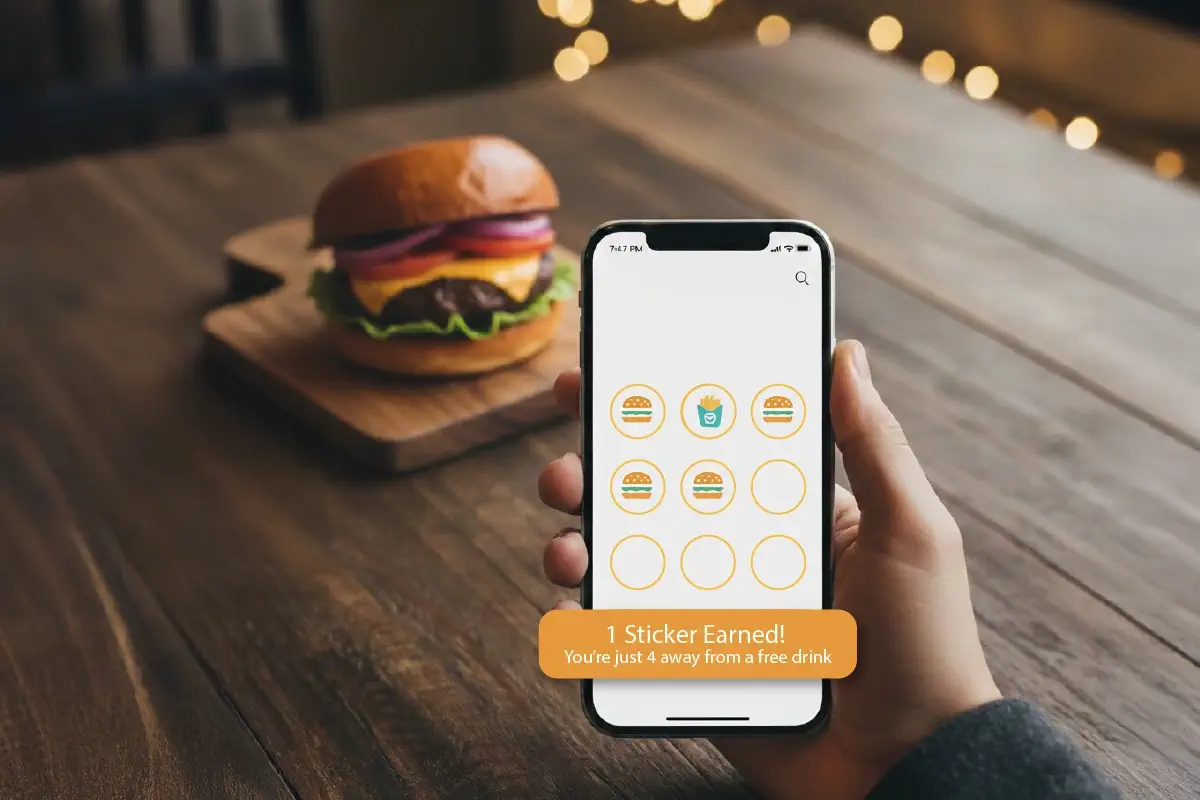
Customers earn a virtual "sticker" for each qualifying purchase that meets a minimum spend threshold. Collect the required number, get your reward automatically applied at checkout [11]. ChowNow's digital sticker program lets restaurants customize both the collection requirement and the reward, whether that's "buy 9 smoothies, get the 10th free" or "spend $50 across 5 visits, earn a free appetizer."
The beauty lies in simplicity. No complex point calculations, no confusing redemption tiers. Progress tracking happens automatically through the ordering platform, creating a seamless experience that encourages completion.
Points programs remain the industry standard because they work.
Best for concepts with varied ticket sizes where rewarding spend increases average order value and upsells.
Customers earn points based on dollars spent, typically 10 points per dollar, which they redeem for menu items or discounts [12]. The system creates a sense of progress that keeps customers engaged between visits. More importantly, these programs generate valuable data on spending habits and preferences, enabling restaurants to create targeted marketing that actually converts.
The real power comes from the psychological momentum. Customers with 1,847 points toward a 2,000-point reward feel compelled to return rather than lose their progress.
Tiered programs tap into something powerful: status motivation.
Best for multi-location or brand-led restaurants where status and exclusivity can increase frequency and retention.
Customers advance through levels, Member, Silver, Gold, Signature, based on spending or visit frequency. Each tier unlocks increasingly valuable rewards and exclusive benefits [13]. The psychology works because people naturally want to reach the next level. Industry data shows tiered programs deliver 1.8x higher return on investment compared to flat programs [13].
Chick-fil-A One demonstrates this perfectly with four membership levels, each offering more points per dollar spent [2]. Members don't just earn rewards, they earn recognition and status that makes them feel valued.
Pay monthly, save more, when executed correctly.
Best for routine-driven categories (coffee, lunch, beverage) where customers can realistically redeem multiple times per month [14] [15].
Subscription loyalty operates on a recurring payment model where customers pay fees for exclusive benefits. HuHot's BOGO subscription program charged $9.99 monthly for a free grill meal with each full-priced purchase [14]. The results spoke clearly: subscribers visited three times more often and spent six times more than before joining [14].
Panera takes a hybrid approach with MyPanera, free base membership plus an optional premium tier with the Unlimited Sip Club [15]. This flexibility captures both casual customers and committed fans.
Sometimes frequency matters more than spending amount.
Best for fast repeat occasions where speed matters and customers value predictable rewards over points math.
Cash-back programs return a percentage of spending as store credit. Papa John's converts every 15 points into $2 in "Papa Dough" for future orders [3]. Visit-based programs reward showing up, regardless of check size. Jimmy John's Freaky Fast Rewards offers free items based on visit count, not dollars spent [3].
This approach works particularly well for businesses with frequent, smaller purchases, coffee shops, quick-service lunch spots, or late-night food destinations.
The key is matching program structure to customer behavior. High-frequency, low-ticket businesses benefit from visit-based rewards. Restaurants with varied check sizes often see better results with points or tiered systems. Subscription models work when customers visit regularly and value convenience over discounts.
Each program type serves different business objectives, from driving visit frequency to increasing average order value or encouraging specific behaviors like mobile app usage.
Points-based programs usually outperform for mixed ticket sizes and upsell potential, while visit-based programs outperform when frequency is the core driver. Subscription programs win when customers have repeat routines and the value is obvious within one month of use [14] [15].
Real results tell the story better than theories.
These eight programs didn't just launch loyalty systems, they built profitability engines. Each one solves specific business challenges while creating genuine value for customers. The lessons here apply whether you're running a single location or managing multiple concepts.
McDonald's waited until 2021 to launch their loyalty program, but the results speak for themselves. The program generated over $20 billion in sales, with $6 billion coming from just one quarter [16].
The structure stays simple: 100 points for every dollar spent, with redemptions starting at 1,500 points across four tiers [16] [17]. Members can redeem through mobile orders, in-store, or drive-thru using a 4-digit code [18]. Points expire after six months, creating urgency without being punitive [18].
What works: McDonald's built the program around existing customer behavior instead of trying to change it. Drive-thru redemption removes friction from their highest-volume channel.
With 75 million global members, Starbucks Rewards drives 57% of U.S. profitability [19] [19]. Members spend three times more per visit than non-members, a metric that explains why the program anchors their entire digital strategy [19].
The mobile-first approach integrates ordering, payment, and rewards seamlessly [19]. Their two-tier system creates status motivation, while gamification elements like Double Star Days maintain engagement [20]. Members access exclusive offers and early product releases, building insider status [21].
The lesson: Starbucks didn't add loyalty to their business, they built their business around loyalty.
50 million members earn 10 points per dollar spent, with rewards starting at just 200 points [22]. The four-tier progression, Member, Silver, Red, and Signature, unlocks increasing benefits as customers advance [23].
Higher-tier members can gift rewards and access exclusive experiences like backstage tours [22]. The program includes birthday rewards, saved favorites, and streamlined mobile ordering [24].
What stands out: Low redemption thresholds encourage early engagement while tier progression maintains long-term motivation.
Launched in September 2023, MVP Rewards automatically converted 30 million existing members while adding a 250-point signup bonus for new members [25]. The three-tier system requires $200 and $400 annual spend to reach Captain and All-Star levels [25].
Members earn 10 points per dollar plus 5% bonus points on mobile orders and additional tier-specific bonuses [25]. The seamless transition from their previous MyWay program kept existing members engaged.
The insight: Successful program updates preserve existing value while adding new benefits.
24 million members helped Chipotle exceed $2 billion in digital sales [26]. Members earn 10 points per dollar, redeemable for menu items, apparel, and non-profit donations [26].
The "Extras" feature launched in 2021 offers personalized challenges for bonus points plus collectible achievement badges, making Chipotle the first national restaurant brand to incorporate badges [26].
Why it works: Chipotle connected loyalty to their brand values, letting customers support causes they care about.
After investing $15 million in mobile and loyalty platforms, membership grew 6% quarter over quarter to 42 million members while global digital sales climbed 40% year over year [27]. An additional $20 million investment in digital menu boards targets improved order accuracy [27].
The program focuses on digital integration across all channels, making loyalty participation effortless regardless of ordering method.
The takeaway: Substantial platform investment delivers measurable growth when properly executed.
Launched in 2010, MyPanera operates as a relationship-based program rather than a transactional points system [28]. The program rewards based on visit frequency, spending, and preferences instead of fixed-point thresholds [28].
48 million members drive more than half of all Panera transactions [28]. New members receive $5 off their first $10+ purchase, a free bakery treat, and 30 days of free delivery [29].
The difference: Panera treats loyalty as customer relationship management, not just a discount delivery system.
Costa's five-tier system awards points based on purchase category: 100 points for basic purchases up to 500 points for premium options [30]. Benefits scale from 5% discounts for Blue members to 20% discounts and exclusive experiences for Platinum members [30].
The program emphasizes personalization through stored preferences, streamlining the ordering process [31].
What works: Clear value progression gives customers concrete reasons to increase spending and visit frequency.
Each program succeeds because it solves real customer problems while driving specific business outcomes. The best loyalty programs don't just reward transactions, they create experiences worth returning for.
Answer header: Loyalty programs succeed when earning and redemption are frictionless, rewards are meaningful, and the program is integrated across every ordering channel [32] [35]. Complexity reduces participation and increases discount leakage.
Local Discovery
↓
Order Placed (Online or In-Store)
↓
Customer Identified (Account or Phone)
↓
Reward Earned Automatically
↓
Repeat Order Incentivized
↓
Customer Lifetime Value Increases
Why this matters:
Loyalty programs perform best when they sit inside the ordering path rather than beside it. Programs disconnected from ordering and POS data fail to capture identity, behavior, and attribution [35].
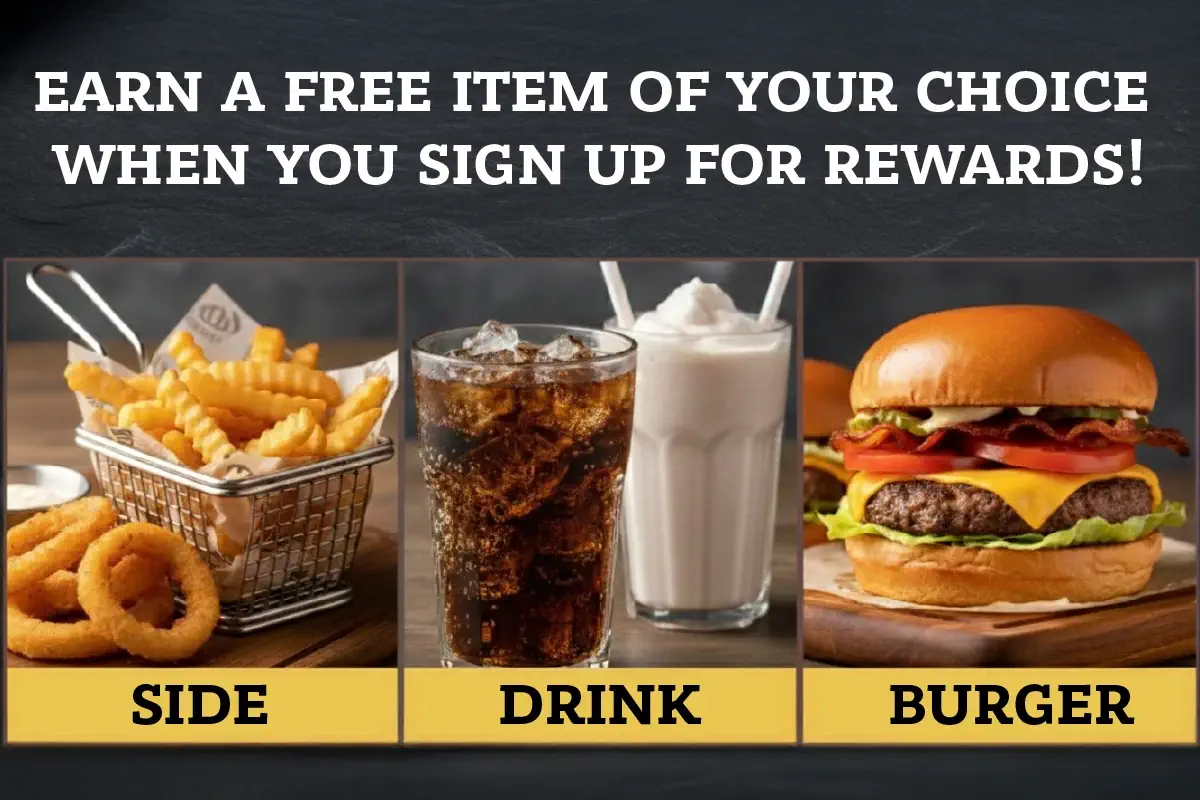
The difference between loyalty programs that drive real results and those that collect digital dust comes down to execution. The most successful programs share specific elements that create genuine customer engagement, not just another app taking up phone storage.
Customers shouldn't need instructions to understand your loyalty program.
The best programs follow a clear "what, how, and when" formula that eliminates confusion [32]. Dunkin' Rewards proves this approach works: 10 points per dollar spent, redeemable for specific menu items [1]. No complicated tiers, no confusing conversion rates, no hidden requirements.
The results speak for themselves. Restaurants following loyalty program best practices, including simple structure and easy redemption, are 1.6 times more likely to experience double-digit profitability growth [33]. Complexity kills participation. Simplicity drives profitability.
Americans spend over five hours daily on smartphones [9], your loyalty program needs to meet them there.
84% of venues prioritizing mobile-first strategies see improvements in guest satisfaction and retention [34]. But mobile-first means more than just having an app. The most effective programs integrate seamlessly with point-of-sale systems, enabling real-time tracking of rewards and easy redemption [1].
This creates a digital passport that follows customers everywhere [35]. Order in-store, earn points. Get delivery, redeem rewards. The experience stays consistent across every touchpoint.
Generic "10% off your next order" emails get deleted. Personalized rewards get used.
AI and data analytics enable restaurants to offer customized rewards that feel magical to customers [1]. Chick-fil-A's system might offer free hash browns to frequent breakfast customers [1]. This targeted approach makes customers feel recognized, creating deeper connections that drive restaurant choice [9].
Personalization turns transaction data into relationship building. Instead of broadcasting the same offer to everyone, smart programs deliver the right reward to the right customer at the right time.
Points alone don't create engagement. Game-like elements do.
Gamification mechanics include challenges, badges, tiers, and quizzes that motivate specific behaviors [36]. These elements make earning rewards fun rather than transactional. Brands using gamification in their mobile apps see an average 22% increase in user retention rates [36].
Papa Johns reimagined its loyalty structure with progress bars, achievement badges, and exclusive perks, creating a sense of achievement that made rewards feel earned [37]. The program transformed from a simple points tracker into an engaging experience customers actually want to use.
Modern customers don't stay in one channel. Neither should their rewards.
Omnichannel integration connects dine-in, takeaway, delivery, and online ordering into one unified experience [35]. Cross-channel loyalty allows guests to earn points in-store, add more from lunch delivery, and redeem rewards for weekend dine-in [35].
Cloud-based loyalty platforms with robust APIs make this possible, connecting with existing systems while maintaining data consistency [35]. The result: customers can interact with your restaurant however they prefer while building toward meaningful rewards.
• Answer header: The best program is the one your customer base can understand instantly and your team can run consistently. Selection should be based on unit economics, visit patterns, and data access rather than trend adoption.
The wrong loyalty program wastes money and confuses customers. The right one drives measurable growth while fitting seamlessly into your operations.
Success comes down to matching your program to how customers actually behave, not how you think they should.
Your sales data tells the story. Points-based programs work best for restaurants with consistent spending patterns, while visit-based rewards suit establishments with frequent, smaller transactions. Study your typical visit frequency and spend amounts before choosing a structure.
Generational differences matter too. 89% of Gen Z willingly share personal information for tailored offers, while older customers might prefer straightforward earning mechanics. The most effective approach engages customers based on their actual needs and preferences, not generic assumptions about what they want.
Fast-casual spots with $12 average tickets often benefit from visit-based rewards that recognize frequency. Fine dining establishments with $50+ checks typically see better results from points-based systems that reward spending levels.
Loyalty programs must pay for themselves. Customers expect at least 150% return on any paid membership fee. Calculate your potential ROI by examining how the program affects visit frequency, average check size, and customer lifetime value.
The benchmark for healthy programs: a 1:3 ratio between customer acquisition cost and lifetime value.
Paid loyalty models can provide upfront profitability, but require exceptional value delivery. El Lopo's $10/month subscription offers $100 in food-and-drink credits plus exclusive perks, a clear 10:1 value proposition that drives commitment.
Free programs work when they increase visit frequency or average spend enough to offset the reward costs. Track these metrics closely during your first 90 days to ensure positive returns.
Loyalty programs connected to online ordering platforms generate 12-18% more incremental profitability annually. This integration creates seamless experiences where customers automatically earn points regardless of ordering channel.
Look for systems that connect directly with your POS, online ordering, and reservation platforms. Cross-channel shoppers who switch between online and in-store ordering spend more frequently than single-channel customers.
Start here when evaluating integration capabilities, your loyalty system should work with existing tools, not replace them.
Effective loyalty platforms provide robust analytics to segment customers and personalize offers. Choose providers offering real-time reporting, email/SMS marketing tools, and AI-driven personalization capabilities.
These tools let you identify which rewards generate repeat visits and test messaging variations for optimal engagement. Data-driven programs can spot drop-off patterns and automatically send "We Miss You" coupons to lapsed customers.
Your loyalty data should fuel targeted marketing strategies that drive measurable returns, not just collect information that sits unused in spreadsheets.
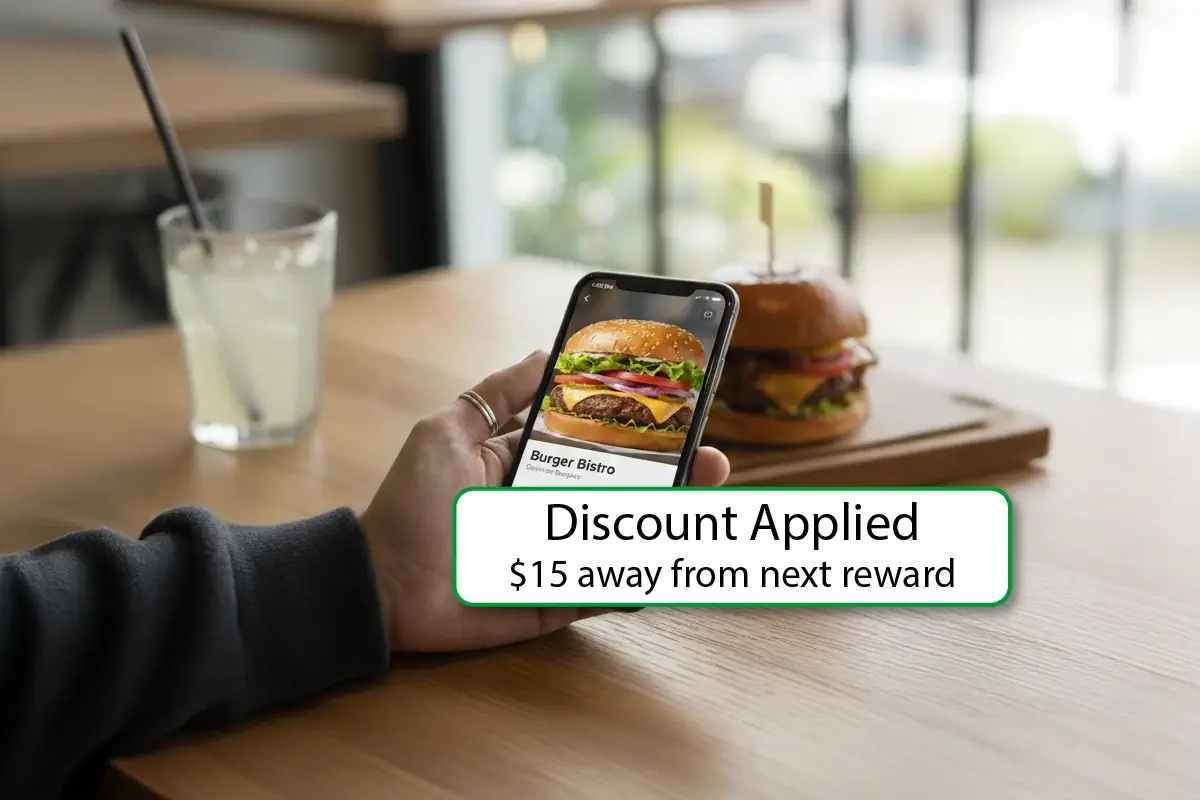
Track these metrics weekly or monthly:
• Member vs Non-Member Order Frequency: Target: +15–30% lift for members [6]
• Average Order Value (AOV) Lift: Target: +10–20% among loyalty members [2] [3]
• Redemption Rate: Healthy range: 20–40% (indicates perceived value without margin drain)
• Repeat Purchase Window: Measure: Days between orders before and after loyalty enrollment
• Loyalty-Driven Profitability Share: Target: 30–50% of total orders over time [28]
Interpretation: If loyalty participation increases but these metrics do not move, the program functions as a discount engine rather than a profitability driver.
Restaurant loyalty programs aren't optional anymore, they're survival tools.
The restaurants that thrive in 2026 understand a simple truth: customer retention drives profitability more than any other single factor. Loyal members spend 20% more than non-members and visit more frequently, creating the predictable profitability that keeps independent restaurants alive during tough months.
The winning playbook is clear. Simple structure beats complexity every time. Mobile-first experiences meet customers where they actually spend their time. Personalization creates connections that generic discounts can't match. When done right, these programs transform occasional visitors into devoted regulars who choose your restaurant over dozens of alternatives.
Your program choice matters less than your execution. Points-based systems work for consistent spenders. Visit-based rewards suit frequent, smaller transactions. Subscription models create predictable profitability streams. The key is matching your structure to how customers actually interact with your business, not how you wish they would.
Integration makes the difference between programs that succeed and those that collect dust on phones. Connect your loyalty system to your POS, online ordering, and marketing tools. This creates a unified experience while generating the data you need to understand what actually drives repeat business.
Economic pressures aren't going away. Customer acquisition costs keep climbing. Competition intensifies daily. The restaurants that invest in loyalty now, thoughtfully, strategically, position themselves to weather whatever comes next.
Your loyalty program might be the deciding factor that keeps customers coming back when everyone else is cutting back.
Restaurant loyalty programs have evolved from simple punch cards to sophisticated profitability drivers that can significantly impact your bottom line. Here are the essential insights every restaurant owner should know:
• Loyalty members spend 20% more per visit and visit more frequently, with 78% of customers choosing restaurants where they can earn points even when less convenient.
• Mobile-first programs with seamless integration across all ordering channels (dine-in, takeout, delivery) generate 12-18% more incremental profitability annually.
• Simple structure beats complexity - customers must instantly understand how to earn and redeem rewards, with successful programs following clear "what, how, and when" mechanics.
• Personalization drives deeper engagement - AI-powered customized offers based on purchase history create stronger customer connections than generic rewards.
• Points-based systems remain the gold standard for most restaurants, typically offering 10 points per dollar spent with redemption starting around 1,500-2,000 points.
The most successful restaurant loyalty programs combine simplicity with sophistication - easy-to-understand earning mechanisms powered by robust data analytics that enable personalized experiences. When properly implemented,these programs transform occasional visitors into devoted customers who choose your restaurant over competitors consistently.